Beginning January 23, a powerful winter storm brought heavy snow, ice, sleet, and frigid temperatures across roughly 2,300 miles of the United States (US), stretching from the Southern Plains to the Northeast. By Monday, January 26, officials reported at least 18 fatalities as a result of the severe weather, including snow-related accidents and extreme cold impacts. Additionally, the storm created treacherous travel conditions, caused widespread power outages affecting more than 800,000 customers, and led to thousands of flight cancellations nationwide. Many areas also experienced record snowfall and significant infrastructure strain, as subzero temperatures persisted across much of the country.
The sun is rising across the U.S. as much of the country digs out from a massive #WinterStorm. This enhanced-color imagery from @NOAA‘s #GOESEast🛰️ (#GOES19), helps #snow on the ground standout from the clouds above. Clouds are depicted as shades of blue/white, while the snow… pic.twitter.com/20JkhrE4QO
— NOAA Satellites (@NOAASatellites) January 26, 2026
X: National Oceanic and Atmospheric Administration (NOAA) Satellites
Meteorologists began tracking the large winter system on Wednesday, January 21, as forecasts indicated heavy snow, ice, and frigid temperatures across the central and eastern US. On Thursday, January 22, Texas Governor Greg Abbott issued a disaster declaration for 134 counties in preparation for the incoming severe winter weather. Within 24 hours, several additional states followed suit, and on January 25, President Trump approved 12 federal emergency disaster declarations.
By Friday, January 23, the storm system spread significant snow and ice across the Ohio Valley, Mid-South, and portions of the Southeast. In the Midwest, cities including Chicago and Detroit experienced prolonged snow and icy conditions, prompting school closures due to impeded commutes and wind chills as low as negative 40 degrees.
This was the view from Dahlonega yesterday. The combination of remaining ice and wind will lead to an increased risk of falling tree limbs and damage to power lines across northeast Georgia today. Additional power outages may result. #gawx https://t.co/mb4jaH7YIe
— NWS Atlanta (@NWSAtlanta) January 26, 2026
X: NWS AtlantaNational Weather Service (NWS) Atlanta
Hazardous conditions persisted through the weekend, with heavy snowfall and ice storms blanketing an approximately 1,300-mile stretch from Arkansas to New England. Additionally, the storm placed a severe strain on infrastructure and critical lifelines, leaving more than 800,000 customers without power from West Texas to Maine by Monday, January 26. For many communities, extended power outages were driven in part by ice-laden tree limbs and downed power lines across the Southeast.
As of January 26, nearly 200 million people remain under official NWS warnings as extreme temperatures, ice storms, and additional snowfall continue to impact multiple states.
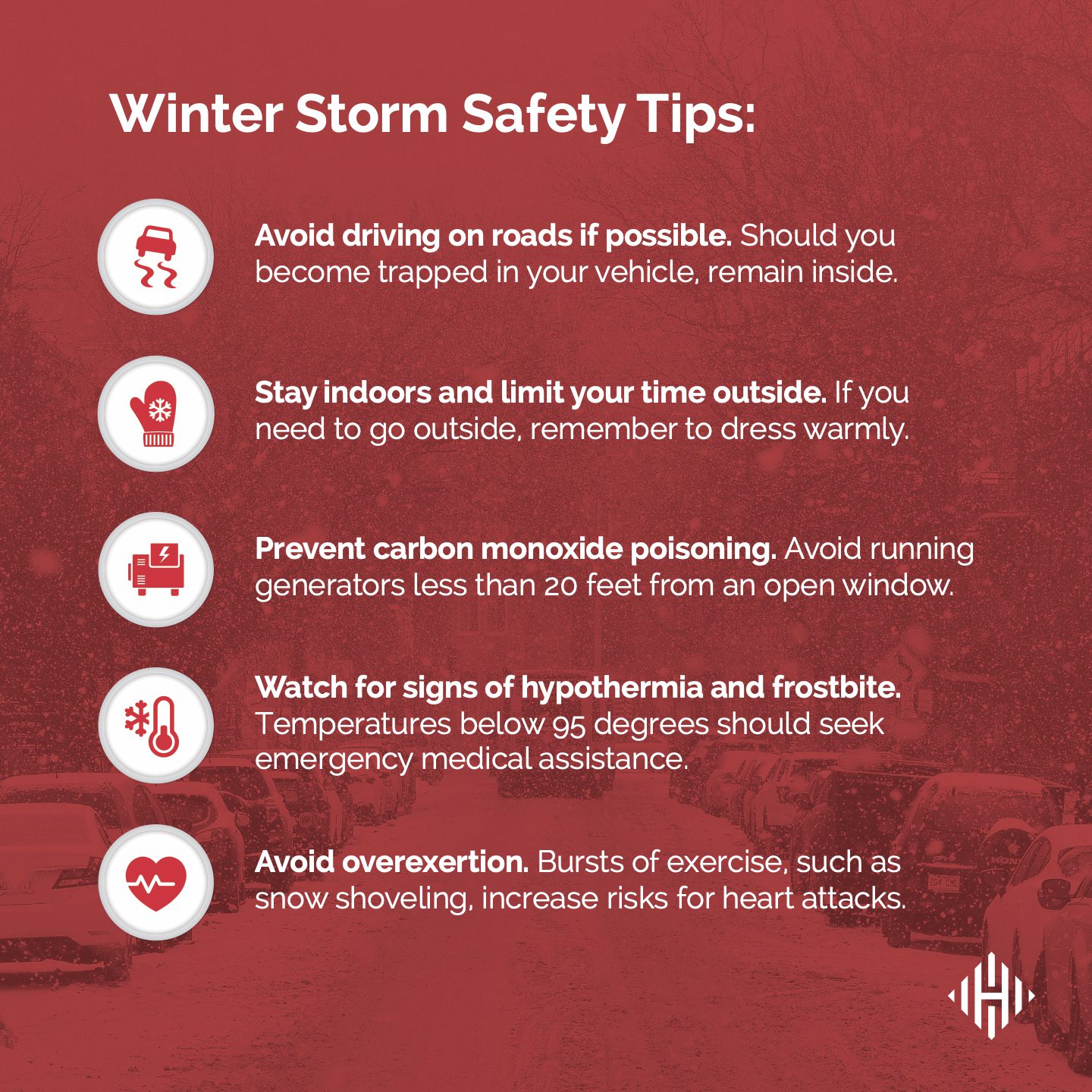
Know your risks and be prepared.
According to the Federal Emergency Management Agency (FEMA), winter storms can last from several hours to several days and disrupt access to heat, power, and communications. They also pose additional risks for vulnerable populations—such as older adults, children, those who are ill, and pets—and can increase the likelihood of car accidents, hypothermia, frostbite, carbon monoxide poisoning, and heart attacks from overexertion. To stay safe, pay close attention to local weather reports, the Emergency Alert System (EAS), and NOAA Weather Radio for the latest warnings and advisories. Additionally, it is important to always seek shelter immediately when instructed to do so.
For more winter weather safety information, visit Ready.gov.